Wednesday, December 03, 2014

Who Says White Fish Can't Jump?

Robbie's Marina, Islamorada
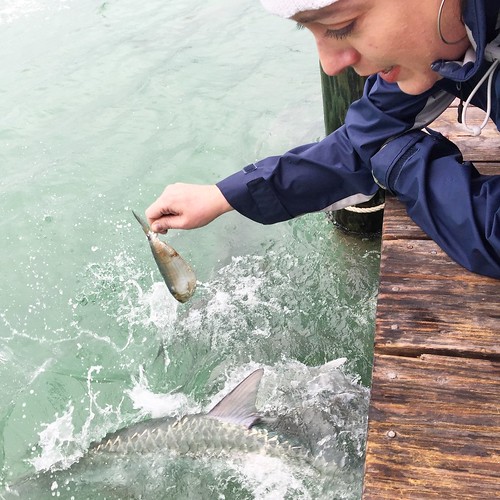
Here little fishy, here!


What weighs more than an average adult human and jumps oh so very high? If you guessed LeBron James, guess again.

Behold Megalops atlanticus, a.k.a. tarpon or the Silver King of the flats, so named because of its large, silver scales. In Islamorada -- well known as the sports fishing capital of the world -- you don't need a rod and reel to witness the strength of these finny creatures. Instead, feed them by hand!
Postcard Inn at Holiday Isle, Islamorada
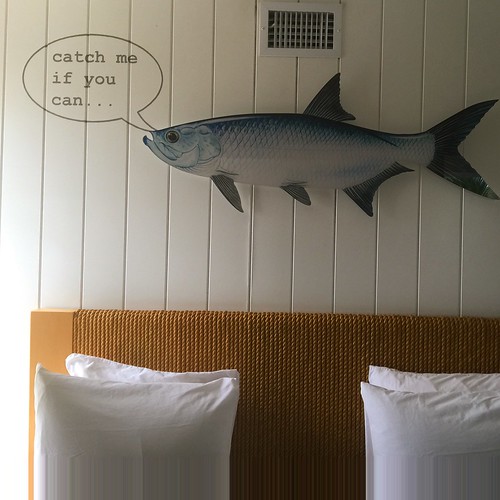
Tarpon are ubiquitous in Islamorada. At the Postcard Inn at Holiday Isle, you'll even sleep next to one.

In my angling adventures, I've felt this strong fish swim like a speeding Mac truck at the end of a screeching line. They run like mad and jump high at which point every fishing guide will tell you to "bow to the tarpon" -- drop the rod tip so the line goes slack and doesn't snap.

Fishing technique aside, you should bow to this royal highness of Florida's backcountry. Not only has this majestic fish been roaming our coastal waters since prehistoric times, in theory, a leaping tarpon could also do some serious damage.

A couple of years ago, during the World's Richest Tarpon Tournament in Boca Grande, I almost got clobbered by a bounding 200-pounder. The only thing between us was the hull.

Extreme angler Jeremy Wade even researched a documented case about a fisherman who died after a run in with a "killer torpedo" in Central America. The poor guy was fishing in a canoe. Thank goodness for monohulls, although Wade dared to catch his tarpon on fly rod in an inflatable craft.

But tarpon are no river monsters and have no appetite for humans. Hand-feeding them is no more dangerous than giving a bone to your pet Fido. Tarpon aren't toothy, so they can't really bite you. Their big mouths are packed with tiny, densely packed teeth, giving the inside of the mouth a sandpaper-like texture.

Tarpon are simply eating machines who will jump for food.

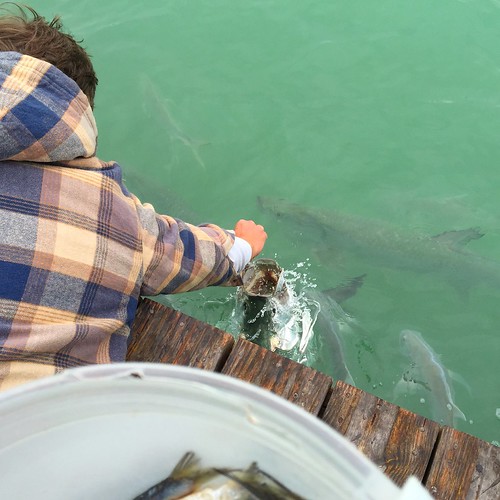
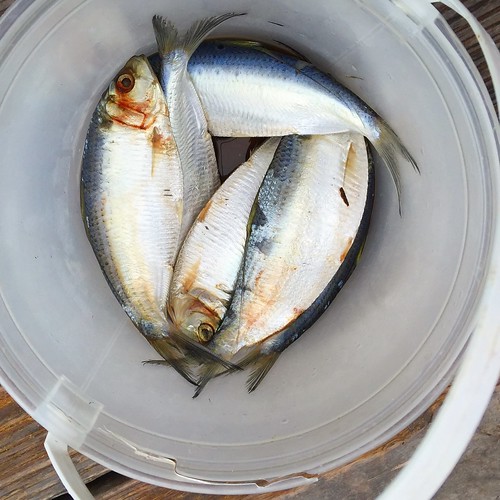
And jump they will at Robbie's Marina in the Florida Keys, where you can see hungry tarpon leap into the air with only one aim in mind: to snatch baitfish from your hands. You'll offer the tarpon some delicacy du jour from a bucket, perhaps mullet or threadfin herring, which was on the menu the day I visited Robbie's mid-November.

The clever tarpon know that there's a free lunch at Robbie's. Staff at the marina recognize return "restaurant" guests by their unique markings.

Like a gang of freeloaders, Jack Crevalles also wait for a complimentary meal, but they circle swiftly under the dock as if anticipating a feeding frenzy. The tarpon are far more relaxed, so you can never quite know when one is going to jump, which adds to the thrill.

Robbie's Marina, Islamorada
For a tarpon, this is first-rate sushi.


Robbie's Marina, Islamorada
Tarpon aren't the only critters in line for free food.

Robbie's Marina, Islamorada
Kneel down to feed the fish.


Robbie's Marina, Islamorada
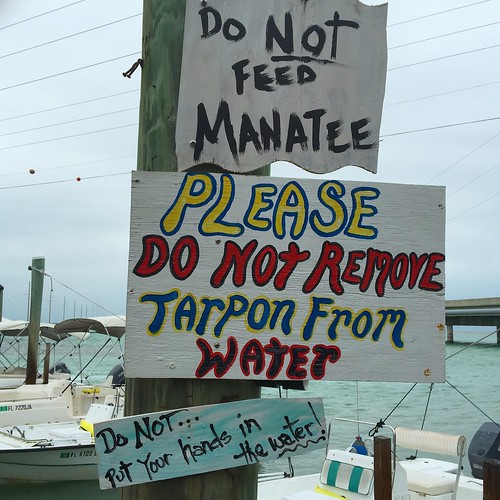
Still scratching my head on how anyone could be strong and fast enough to remove a tarpon from the water.

There's more to do than hand-feeding tarpon at Robbie's Marina -- a rustic, laid-back stop along Route 1. Satisfy your own appetite at the Hungry Tarpon, although you'll never see tarpon on the menu. This popular game fish is too bony to eat and a strictly a catch-and-release species, unless you purchase a permit.

Stroll the open-air shops, rent a kayak, take an ecotour, go fishing and more. For more information visit Robbie's Marina.

To learn more about this amazing fish, visit the Florida Fish and Wildlife Commission and the Bonefish and Tarpon Trust.

More photos on Flickr.

See yours truly hand-feed the tarpon in the video below.


FTC DISCLOSURE
For this post, I visited Robbie's as part of a press trip. Opinions my own, as always.

Tuesday, December 02, 2014

A Cure for Nature Deficit Disorder in Miami

Safari Edventure sloth
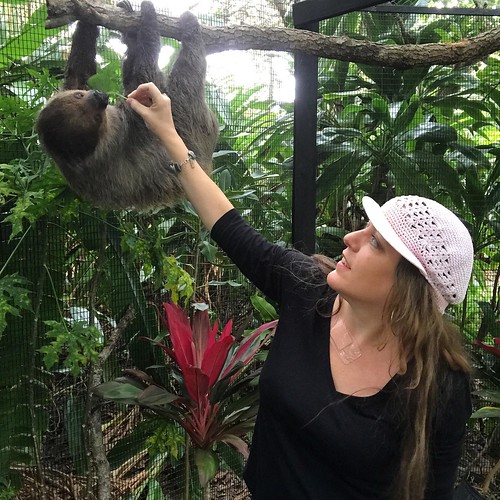
I fed a gentle sloth!

Safari Edventure is definitely off the beaten path for Miami tourists and not exactly a pit stop for locals when they venture south of Kendall Drive. Five acres in the Redlands are eclipsed by theme park style attractions such as Miami Zoo and Jungle Island, yet the land is home to 130 species of animals and 1,000 species of plants.

It's here where the not quite so wild things are: the animals were either rescued, re-homed or rehabilitated or born on the site. Glenn Fried, who has worked in wildlife education for over 35 years, and his wife Niki, run the non-profit.

It's a labor of love for the couple and a group of volunteers.

This isn't your ordinary zoo. You'll find nothing plastic or smoothly paved. No over manicured landscapes. Guests use composting toilets.

Safari Edventure hosts camps for schools throughout the year for kids to learn about wildlife hands-on and up-close. Garden paths teach children about fruits, vegetables and herbs -- or most importantly, where they come from -- fruits don't just appear magically at Publix.

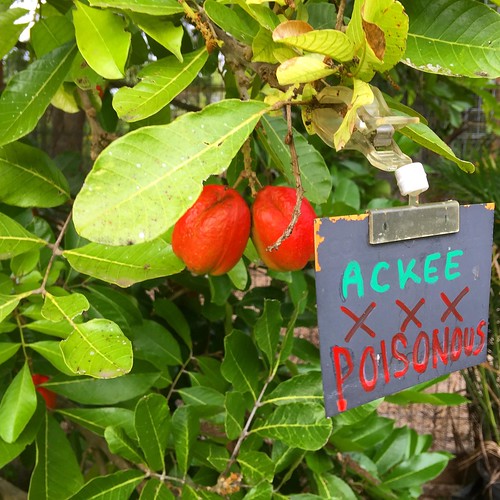
Safari Edventure ackee poisonous
Ackee, a staple fruit in Jamaica, is only poisonous when unripe.

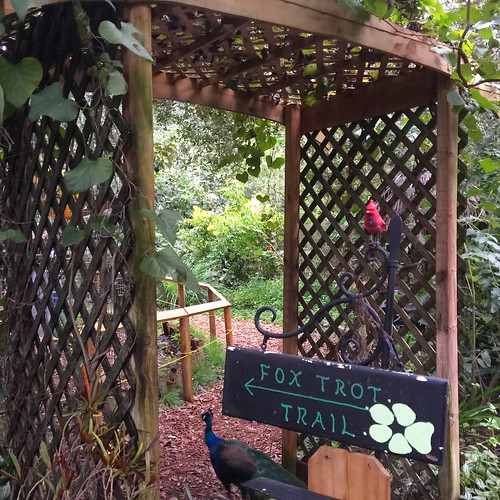
Safari Edventure peacock
Winding trail at Safari Edventure and a resident peacock.

Grown-ups can enjoy the winding paths and serenity of the grounds, just like I did. It's a little slice of backcountry exploration with an old Florida feel, just a few minutes from US1. Picnic benches are wedged under a huge banyan tree. An enormous avocado tree, laden with fruit during my visit, shaded the Fox Trot Trail, which is home to a Mynah bird with astounding digital-sounding vocalizations. I thought R2-D2 was following me around the corner. Actually, a beautiful peacock did seem to trace my steps.

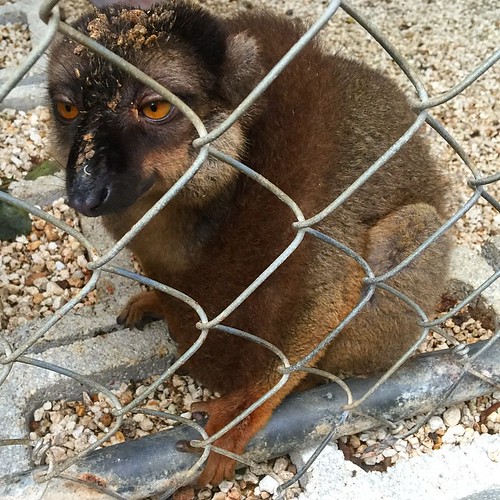
Lemur
This lemur is a resident of the Fox Trot Trail.

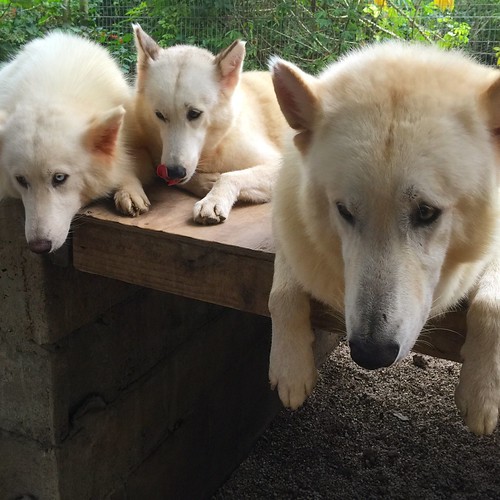
Safari Adventure also isn't your ordinary petting zoo. I touched and fed a sloth. I also petted very tame timber and arctic wolves, which reminded me of a time that I met a woman in Hawaii while she walked a wolf dog on the beach. The animal required a special permit to be on the island as her emotional support pet.

I would never think to come close to such a majestic animal, but here, these wolves were gentle and seemed to enjoy interacting with humans. There's something definitely grounding and healing about petting a wolf.

Safari Edventure arctic wolves
Arctic wolves at Safari Adventure.

Solace Health Miami thinks so, too. This South Florida behavioral therapy provider brings patients here for animal-assisted therapy. The nature-focused holistic treatment helps those who suffer from behavioral, emotional and other psychological disorders.

And then there's nature deficit disorder, which isn't a medical condition but a result of not spending enough time outdoors under peaceful circumstances.

For those of us who are simply stressed-out by the jarring, fast-paced energy of Miami, take a hint. A day in the Redlands, surrounded by nature, is just what the doctor ordered.

So don't come here to do anything. Just be. 

Safari Edventure is at risk of losing the land, which would leave its resident critters homeless. You can support this non-profit by visiting and spreading the word.

For more information, call 305-238-9453 or visit SafariEdventure.

Mouse over the image below to see more photos from Flickr.